


Blog / Long Island City Chevrolet Dealer

Winter Driving NYC: What Queens Drivers Should Check Before Hitting the Road

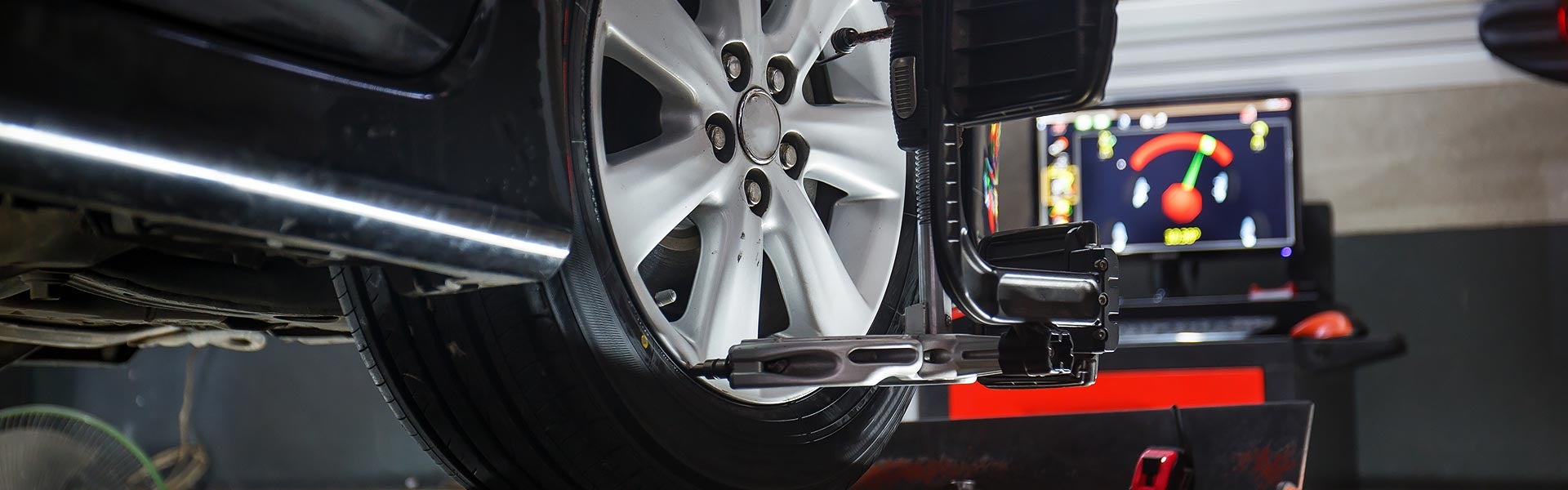
Car wheel alignment inspection using diagnostic equipment.
Winter driving in Queens can mean slippery bridge decks, road spray, and sudden changes in visibility. Whether your route takes you across the Queensboro Bridge or along the Long Island Expressway, a few vehicle checks can help you prepare. Use this winter driving checklist to review your tires, battery, fluids, visibility, and emergency supplies before your next trip.

Tires: Your First Line of Defense


Every New Yorker knows you need solid tires for winter in Queens. Check tread depth using the penny test - insert a penny into the tread with Lincoln's head facing down. If you can see the top of his head, it's time for new tires. Consider winter tires, and this certainly isn’t the first time you’ve heard that.  

Tire pressure is the big one you’ve got to check consistently. Everyone knows that first frigid morning when you go out to your car to be greeted with that glowing TPMS light. Cold air causes pressure to drop at about 1lb. per square inch for every 10°F drop in temperature. Your vehicle’s instrument display may actually have a screen that shows you the PSI in each tire whenever you want. It’s critical to stay on top of it, as underinflated tires reduce traction and compromise handling—exactly what you don't want on a slick bridge deck. It can reduce fuel efficiency, too, which is another thing nobody wants.  

Inspect the Brakes, Battery, & Fluids


Again, no New York driver is a stranger to what cold weather does to your vehicle's battery. Most car batteries last 3 to 5 years, and one that's borderline in October may fail completely in January. Have yours tested before temperatures drop. At the same time, inspect your brake pads—stopping distances increase on wet and icy pavement, and worn pads make that worse. Check your antifreeze level and make sure your windshield washer fluid is rated for freezing temperatures, since standard fluid can freeze in the reservoir or on the glass.

Improve Visibility Before You Drive


Short winter days mean more driving in the dark, and NYC's street lighting doesn't always extend to bridge approaches or highway on-ramps. Replace wiper blades before the first freeze—winter-specific blades handle ice and snow better than standard ones. Check that all exterior lights are working, including brake lights, fog lights, and turn signals. Defrost your entire windshield before moving—not just that little patch right in front of you.

Emergency Kit & Bridge Crossing Tips


Keep a basic emergency kit in your vehicle year-round, but especially in winter. A small bag with an ice scraper, jumper cables, a blanket, a flashlight, and a bag of sand or kitty litter for traction can be a lifesaver. When crossing bridges like the Queensboro or the Kosciuszko, reduce your speed and increase your following distance—bridge surfaces freeze before road surfaces because cold air circulates underneath them. Avoid sudden braking or sharp steering inputs on any elevated structure.

Chevrolet Features That Help in Winter Conditions


Many Chevy vehicles come equipped with features that are especially useful for winter driving in NYC. Just about every Chevrolet model comes with StabiliTrak® Electronic Stability Control that helps manage traction loss on slippery surfaces. Many Chevy models offer all-wheel drive, like the Equinox and Traverse, giving you selectable drive modes or automatic traction for snow-covered streets and wet ramps. Every cold day is more manageable with available remote start that lets you warm up the engine and defrost the cabin before you even step outside.  

Visit Major World Chevrolet Before Winter Arrives


Winter driving in NYC demands preparation, and Queens drivers have more variables to manage than most. From icy bridge decks to stop-and-go expressway traffic in low visibility, the conditions here require a vehicle that's properly serviced and a driver who's ready. Use this winter driving checklist, especially for Queens drivers as your starting point each season. The team at Major World Chevrolet in Long Island City, NY is ready to help you get your vehicle inspected, serviced, and winter-ready—so stop by or visit usto schedule your appointment before the first freeze hits.
Posted in:

Related Posts

Red Chevrolet Trax RS driving on a city street.

Choosing a Chevy SUV for NYC Street Parking: A Size and Visibility Checklist

Parallel parking on a crowded New York City block is a skill—but picking the right vehicle makes it a whole lot easier. If you're shopping for the best SUV for street parking in NYC, figuring out the right size SUV overall, which has the best visibility, and which has the most maneuverability matters just as much as the interior features and cargo space. This checklist walks you through what to look for in a Chevy SUV so you know exactly what fits your life in Long Island City, New York. Vehicle Size: the Big Thing to Check First New York City parking spots are notoriously tight, so your vehicle's overall length and width determine how easily you can slide into a spot, and how much room you leave for neighboring cars. The 2026 Chevy Trax is one of the most compact options in the Chevy SUV lineup, measuring 178.6 inches long—so just under 15 ft., while the Trailblazer is just over 174 inches, so about 14.5 ft. long. Both are under 6 feet wide, falling comfortably in the subcompact category. They both offer a solid balance between interior room and a manageable exterior size. For New Yorkers weaving through the streets of Long Island City or commuting into Manhattan, either of these two models deserves a close look. Visibility and Driver Assistance Features Once you've narrowed down size, think about how well you can see out of the vehicle and what technology helps fill in the blind spots. The Trax and Trailblazer both offer available rear vision cameras as standard equipment, which is essential for parallel parking confidence. Available features across the Chevy SUV lineup include Rear Cross Traffic Alert, which warns you of approaching vehicles when backing out of a spot, and Side Blind Zone Alert, which flags vehicles in your adjacent lanes. Here’s where the Chevy Equinox enters the picture. It’s longer than the Trax and Trailblazer at 15.3 ft. in length and about 6.4 ft. wide, but still a compact SUV. But the Equinox’s easy maneuverability comes with its extensive standard driver assistance technology that gives you outstanding awareness of your surroundings. It comes with Rear Park Assist, Reverse Automatic Braking, Rear Pedestrian Alert, and Side Bicyclist Alert across all trims, among other features to seriously heighten your awareness and step in if you need it. HD Surround Vision is available, which stitches together a bird's-eye camera view of the vehicle's perimeter—a genuinely useful tool when you're inching into a tight spot with inches to spare on either side. Turning Radius and Urban Handling A tight turning radius makes U-turns, three-point turns, and sharp corner navigation far less stressful in a city environment. Smaller Chevy SUVs like the Trax benefit from a front-wheel-drive layout as standard, which keeps the front end more responsive and nimble. The Trailblazer also offers an available all-wheel-drive system for added traction on wet city streets without adding significant bulk to the vehicle's dimensions. Knowing how to choose an SUV for street parking in NYC means thinking about these handling characteristics alongside raw measurements. A vehicle that steers with precision and offers a tight turning circle will feel far more manageable in stop-and-go traffic and cramped parking situations. Interior Practicality Without the Bulk One common trade-off with smaller SUVs is cargo space, but the Trax and Trailblazer both punch above their weight here. The Trax offers 25.6 cu. ft. of everyday-usable cargo space that opens up to 54.1 cu. ft. with the rear seats folded. The Trailblazer provides just about the same, with about .3 cu. ft. more, but it’s real versatility comes with the standard fold-flat front passenger seat that lets you pack in items up to 8.5 ft. in length. For city dwellers who need to haul groceries, strollers, or weekend gear without paying for a garage spot that fits a full-size SUV, this kind of flexible packaging is a practical advantage. Visit Major World Chevrolet to Find Your Match The right SUV for NYC street parking depends on your specific block, your parking habits, and how much interior space you genuinely need. The Chevy lineup offers a clear range of options, from the ultra-compact Trax to the slightly larger Trailblazer and Equinox, each with a distinct set of size and technology trade-offs. Stop by Major World Chevrolet, conveniently located in Long Island City, NY, to walk through these models in person and find the one that fits your life—and your street.

Silver Chevrolet Traverse Z71 driving off-road.

Lease vs. Buy a Chevy Traverse: Finding the Right Route to Ownership

The Chevrolet Traverse is built for people whose plans rarely involve traveling light. With three rows of seating, generous cargo space, and the flexibility to handle everything from city commuting to weekend escapes, it's an SUV that invites you to go places. But before getting behind the wheel, there's another decision to make: lease or buy? For drivers around Long Island City, NY, the answer depends on mileage, finances, and how much freedom they want from their vehicle. Leasing a Traverse: A Fresh Start Every Few Years Leasing offers an appealing way to experience a new Chevrolet Traverse without committing to long-term ownership. Monthly payments are often lower than those associated with financing a comparable purchase, and lease terms commonly run between two and three years. That means an opportunity to enjoy updated technology, contemporary styling, and the latest driver-assistance equipment more frequently. There's something appealing about starting a new chapter with a new vehicle, particularly when your transportation needs remain predictable. The compromise comes in the form of mileage restrictions, wear-and-tear standards, and potential end-of-lease charges. Most agreements allow approximately 10,000 to 15,000 miles annually, although terms vary. Driving 12,000 Miles Annually: Does Leasing Work? For someone covering approximately 12,000 miles each year, leasing can be a compelling option. A lease allowing 12,000 or 15,000 annual miles could accommodate that driving pattern without excess-mileage charges, provided the total allowance isn't exceeded. Consider the journeys involved. A commute through Queens, occasional trips across Long Island, and weekend excursions beyond the city can accumulate mileage surprisingly quickly. Reviewing your previous year's driving habits offers a stronger foundation for choosing a lease allowance than estimating from memory. A higher-mileage lease may also be available, although additional mileage can increase the monthly payment. The important thing is choosing terms that accommodate your plans instead of forcing you to limit them. Buying a Traverse: Freedom Beyond the Contract Purchasing the Traverse opens a different set of possibilities. Once financing is complete, the vehicle belongs to you without a continuing loan payment. There are no contractual mileage allowances, and you can sell, trade, or keep it according to your circumstances. Ownership also offers greater freedom to personalize the SUV with accessories and equipment. If your adventures involve frequent road trips, changing commuting distances, or towing recreational gear, buying eliminates lease-specific restrictions, although the vehicle's rated capabilities and proper maintenance requirements still apply. There's a financial distinction, too. Loan payments build ownership equity, while leasing generally pays for the vehicle's use over a defined period. Buyers also take responsibility for depreciation and repair expenses as their vehicles age. Looking Beyond the Monthly Payment A lower monthly payment doesn't automatically mean a lower overall cost. Compare the initial payment, financing or lease charges, taxes, fees, insurance, and anticipated maintenance expenses. For leasing, examine the mileage allowance, excess-wear provisions, and lease-end obligations. For buying, consider the loan term, interest rate, expected resale value, and how long you intend to keep the Traverse. Someone planning to change vehicles every three years may appreciate leasing's flexibility. Someone expecting to keep the same SUV for eight years could find purchasing more economical over time. The numbers deserve attention before either decision. Explore Your Options at Major World Chevrolet Leasing and buying offer different routes to enjoying the Chevrolet Traverse. The right choice should accommodate your driving habits, financial priorities, and future plans without unnecessary restrictions. Visit Major World Chevrolet in Long Island City, NY, to compare available Traverse models and current financing or lease offers. Then schedule a test drive and discover how this three-row SUV fits your next adventure.

Red Chevrolet Equinox driving through a city street.

2026 Chevy Equinox All-Wheel Drive vs. Front-Wheel Drive: Does All-Wheel Drive Really Hurt Fuel Economy?

Fuel efficiency is on everyone’s mind in Long Island City and all over New York, with the price of gas. And if you’ve been looking into getting a new 2026 Chevy Equinox, you’re probably looking to get the most out of every gallon. The 2026 Chevy Equinox comes with front-wheel drive and the option for all-wheel drive—but is there a big difference in miles per gallon (MPG) between them? You’re asking exactly the right question before making a purchase decision. Many shoppers assume that adding all-wheel drive (AWD) automatically means a big hit at the pump—but the reality is a bit more nuanced. Let's break down how each drivetrain actually performs so you can choose the right setup for your needs. How the 2026 Chevy Equinox AWD vs. FWD MPG Difference Plays Out The 2026 Equinox is powered by a 1.5L turbocharged engine producing 175 hp. Both front-wheel drive (FWD) and AWD versions use this same engine, and you see a difference in torque output with each drivetrain. The FWD variant produces 184 lbs.-ft. of torque, while AWD amps that up to 203 lbs.-ft. Generally speaking, AWD systems add mechanical complexity and some additional weight for that extra grunt, which can result in a modest reduction in fuel efficiency. However, the gap between AWD and FWD in modern crossovers like the Equinox tends to be relatively small—often just one to two miles per gallon in combined driving. What to Expect From 2026 Chevy Equinox AWD Fuel Economy The difference between the 2026 Chevy Equinox’s AWD fuel economy as compared to FWD is unlikely to be dramatic enough to be a dealbreaker for most drivers. AWD systems in today's compact and midsize SUVs are engineered with efficiency in mind. The Chevy Equinox’s all-wheel drive system actually operates in a front-wheel drive mode under normal conditions—it only engages the rear wheels when additional traction is needed. This means you're not constantly running all 4 wheels at full effort—the system works smartly in the background. The 2026 Equinox gets about 25 MPG in the city and 29 MPG on the highway, or 26 MPG combined, while front-wheel drive models get 26/29 city/highway MPG, or 27 combined. For drivers in Long Island City, NY, who deal with wet roads, snow, or mixed seasonal conditions, the added traction of AWD can be well worth the modest trade-off in fuel economy. Which Drivetrain Is Right for You? If maximum fuel savings and straightforward city and highway driving are your top priorities, FWD is a solid, capable choice. The 2026 Equinox FWD keeps things simple and efficient, and it handles well in most everyday driving situations. On the other hand, in New York where we regularly deal with all kinds of challenging road conditions, AWD is often worth the extra gallon. It’s worth noting that both drivetrains come with a standard Drive Mode Selector which lets you tailor performance with selectable drive modes. Even with FWD, you’ll have Snow/Ice Mode for low-traction conditions. All-Wheel Drive is actually a selectable mode when you equip the Equinox with that drivetrain, so you can operate in FWD by choice. If you carry heavier loads, or simply want the added confidence that comes with AWD, the trade-off in 2026 Chevy Equinox AWD fuel economy is modest enough that many buyers consider it a fair exchange. The Equinox also offers a solid 1,500-lb. towing capacity when properly equipped with AWD, which is great if you have a boat, trailer, or rec vehicle. Technology & Features That Come Along for the Ride Whichever drivetrain you choose, the 2026 Equinox brings a strong feature set to the table. The standard 11.3” infotainment touchscreen supports wireless Apple CarPlay® and Android Auto™, and Google Built-in comes standard too. Safety-wise, the Equinox shows off over 15 standard driver assistance features. Automatic Emergency Braking, Lane Keep Assist, Intersection Automatic Emergency Braking, and Blind Spot Assist come with every trim whether you opt for FWD or AWD. Visit Major World Chevrolet to Explore Your Options When comparing 2026 Chevy Equinox AWD vs. FWD MPG, the bottom line is this: the difference is real, but it's not dramatic. The choice ultimately comes down to where and how you drive, and what level of confidence you want behind the wheel. Drivers throughout Long Island City, NY, can explore available inventory, ask questions, and find the right Equinox configuration at Major World Chevrolet. Stop in or browse online to get started.