



Leasing a Traverse: A Fresh Start Every Few Years
Leasing offers an appealing way to experience a new Chevrolet Traverse without committing to long-term ownership. Monthly payments are often lower than those associated with financing a comparable purchase, and lease terms commonly run between two and three years. That means an opportunity to enjoy updated technology, contemporary styling, and the latest driver-assistance equipment more frequently. There's something appealing about starting a new chapter with a new vehicle, particularly when your transportation needs remain predictable. The compromise comes in the form of mileage restrictions, wear-and-tear standards, and potential end-of-lease charges. Most agreements allow approximately 10,000 to 15,000 miles annually, although terms vary.
Driving 12,000 Miles Annually: Does Leasing Work?
For someone covering approximately 12,000 miles each year, leasing can be a compelling option. A lease allowing 12,000 or 15,000 annual miles could accommodate that driving pattern without excess-mileage charges, provided the total allowance isn't exceeded. Consider the journeys involved. A commute through Queens, occasional trips across Long Island, and weekend excursions beyond the city can accumulate mileage surprisingly quickly. Reviewing your previous year's driving habits offers a stronger foundation for choosing a lease allowance than estimating from memory. A higher-mileage lease may also be available, although additional mileage can increase the monthly payment. The important thing is choosing terms that accommodate your plans instead of forcing you to limit them.
Buying a Traverse: Freedom Beyond the Contract
Purchasing the Traverse opens a different set of possibilities. Once financing is complete, the vehicle belongs to you without a continuing loan payment. There are no contractual mileage allowances, and you can sell, trade, or keep it according to your circumstances. Ownership also offers greater freedom to personalize the SUV with accessories and equipment. If your adventures involve frequent road trips, changing commuting distances, or towing recreational gear, buying eliminates lease-specific restrictions, although the vehicle's rated capabilities and proper maintenance requirements still apply. There's a financial distinction, too. Loan payments build ownership equity, while leasing generally pays for the vehicle's use over a defined period. Buyers also take responsibility for depreciation and repair expenses as their vehicles age.
Looking Beyond the Monthly Payment
A lower monthly payment doesn't automatically mean a lower overall cost. Compare the initial payment, financing or lease charges, taxes, fees, insurance, and anticipated maintenance expenses. For leasing, examine the mileage allowance, excess-wear provisions, and lease-end obligations. For buying, consider the loan term, interest rate, expected resale value, and how long you intend to keep the Traverse. Someone planning to change vehicles every three years may appreciate leasing's flexibility. Someone expecting to keep the same SUV for eight years could find purchasing more economical over time. The numbers deserve attention before either decision.
Explore Your Options at Major World Chevrolet
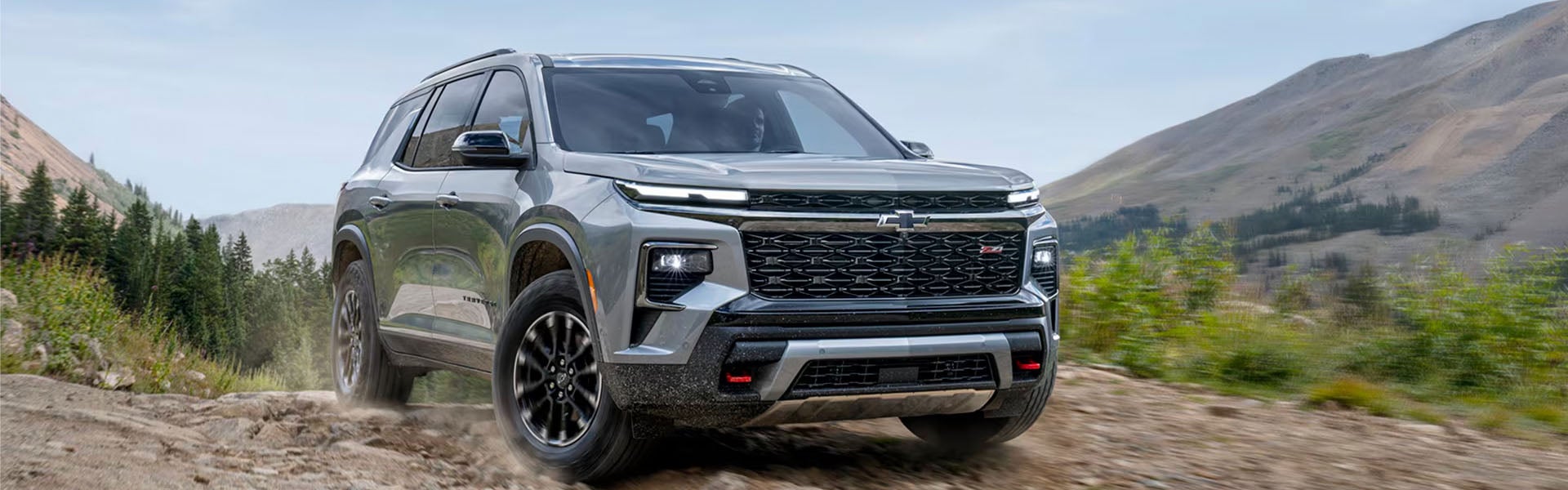
Leasing and buying offer different routes to enjoying the Chevrolet Traverse. The right choice should accommodate your driving habits, financial priorities, and future plans without unnecessary restrictions. Visit Major World Chevrolet in Long Island City, NY, to compare available Traverse models and current financing or lease offers. Then schedule a test drive and discover how this three-row SUV fits your next adventure.